You’ve got cash idle inside the iPhone ecosystem
It usually starts as “temporary” money: the extra that lands in Apple Cash after someone pays you back, the balance that lingers on a linked debit card, the Daily Cash that quietly stacks up in Wallet. None of it feels like a real savings decision because it’s already inside the phone, already one Face ID step away from being spent. The friction is subtle but consistent: moving that cash out to a separate bank app means logins, transfers, and waiting, so it sits.
Once the balance gets meaningful—maybe a few thousand that you meant to park “for now”—the question shifts from convenience to opportunity cost. A high-yield account starts looking less like a finance product and more like a way to stop paying a hidden tax for staying in Apple’s flow.
The promise: high APY with zero new habits
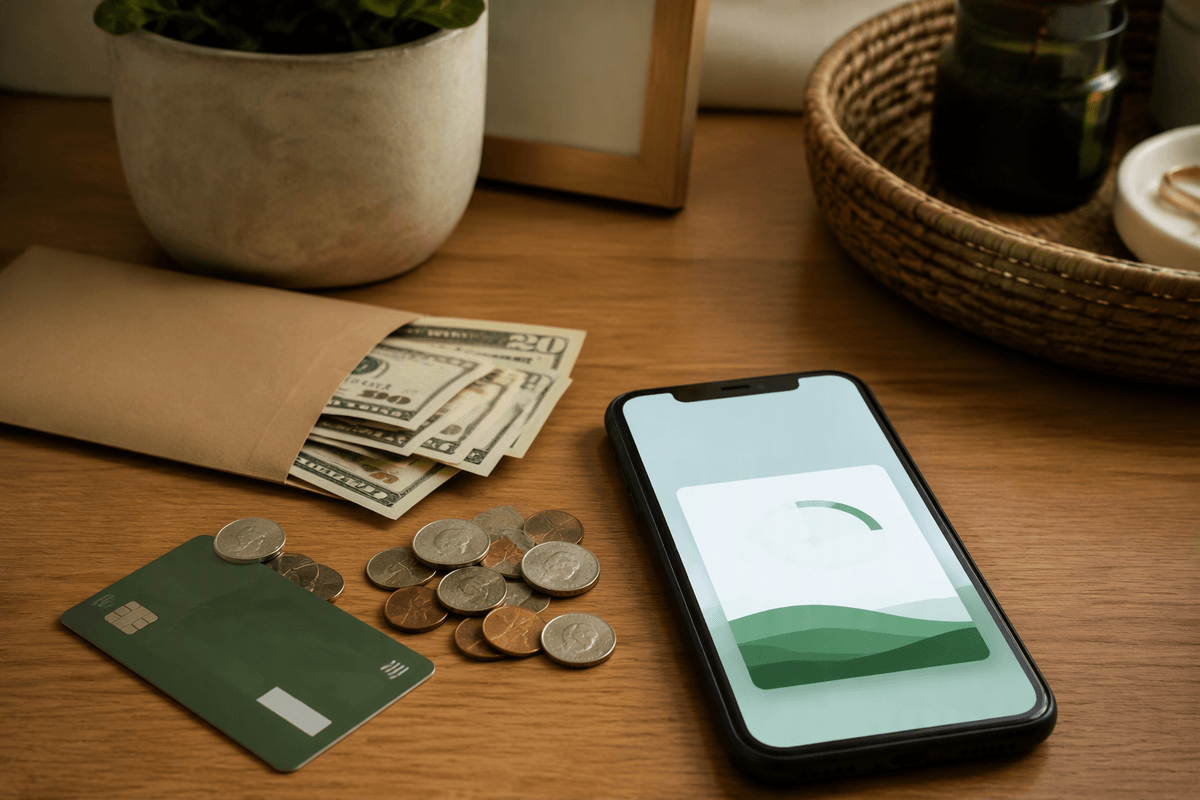
The pitch works because it doesn’t ask for a new routine. If your cash is already showing up as Daily Cash, Apple Cash, or money you keep “just in case” on a linked card, Apple Savings makes the next step feel like a settings change, not a bank switch. The account sits behind Wallet, the balance is visible in the same place as spending, and funding is framed as a quick move rather than a multi-day project. That matters when the real constraint is attention: people don’t optimize yield when it requires another app, another login, another set of alerts.
The APY headline is the hook, but the convenience is the closer. When the rate is competitive, the math turns into “why not?”—especially for cash that would otherwise earn little or nothing. The catch is that this comfort can mask the real decision: you’re choosing an FDIC-insured deposit account through Apple’s partner bank, with all the usual bank-account realities, but packaged to feel like part of the phone.
First mismatch: funding isn’t always instant or flexible
The first surprise usually shows up right when the “why not?” turns into a real transfer. Moving Apple Cash into Savings can feel immediate and clean, but that’s only one lane. The moment you try to fund it from an external bank, or you’re moving a larger chunk than your Apple Cash balance, the process starts behaving like a normal bank transfer schedule—cutoff times, pending periods, and occasional verification steps. If the money is meant to be earning by tomorrow, “I started it tonight” can be an expensive assumption.
Flexibility is the second mismatch. Apple Savings fits best when the cash source is already inside Wallet, because the paths in and out are narrower than what heavy savers are used to. If you’re the type who regularly sweeps money in from multiple accounts, times deposits around paydays, or expects same-day availability, you’ll notice the limits faster. None of this is unusual for a savings account; it just clashes with the expectation that Wallet integration means instant, bank-like control over every funding method.
Living with the rate: great today, uncertain tomorrow

After the first deposit clears, the account settles into a rhythm that feels almost too easy: the balance is right there in Wallet, interest accrues in the background, and the “do nothing” option finally pays. The constraint is that the whole experience trains you to think of the APY as a feature of Apple, not a moving number set by the partner bank. If you’re holding five figures, a small rate change stops being a rounding error, and it starts competing with real monthly bills or investment contributions.
That’s where expectations get tested. The rate can be strong today and merely average later, and there’s no promise it will stay near the top of the market. The practical friction isn’t just checking a headline APY; it’s deciding how often you’re willing to re-evaluate and potentially move money. If the appeal was “zero new habits,” the moment the rate drifts, the habit you avoided—shopping yields—shows up anyway, just delayed.
Access under pressure: getting cash out when you need it
It’s easy to feel liquid when the balance is always visible, but the pressure test is a Tuesday when something expensive hits and timing matters. The only real exit is a transfer back out, and under stress that becomes a question of rails, not interface. If the money needs to cover a same-day bill, “in Wallet” doesn’t help; it has to be in the right account at the right time, and savings-to-bank movement still obeys bank processing windows and holidays.
The second constraint is control. There isn’t a menu of instant options—no quick cash pickup, no card swipe against the savings balance—so the plan has to be made in advance. For a true emergency fund, that can be a mismatch: the account is great for earning while idle, but less reassuring when the requirement is “available by 3 p.m.” The practical comparison point isn’t the APY; it’s whether your other HYSA gives faster outbound paths, higher transfer limits, or a backup debit card when the transfer ETA slips.
When something breaks: support, statements, and disputes
The first real “this is a bank account” moment tends to arrive when something looks wrong: an interest credit that doesn’t match expectations, a transfer stuck in pending over a weekend, or a balance that updates later than the rest of Wallet. The constraint isn’t just annoyance—it’s that your timeline matters. If you need clean records for a mortgage application or you’re reconciling month-end cash, waiting an extra day for a statement cycle or a corrected transaction can create a downstream problem that the interface can’t smooth over.
Support and disputes also feel different when the product sits between Apple and the partner bank. When the issue is a transfer, a name mismatch, or an account detail that needs to be corrected, you may find yourself figuring out who “owns” the fix, and that can slow resolution. In practice, the risk isn’t fees or fraud so much as coordination: getting the right statement, the right confirmation number, and a clear audit trail when a large amount is in motion and you need answers within business hours, not “eventually.”
Revised thinking: who Apple Savings fits best now
After a few cycles of deposits, rate checks, and at least one moment of “why is this still pending,” the account stops feeling like a Wallet feature and starts looking like a specific trade. Apple Savings fits best when the money source is already in Apple Cash or Daily Cash, the balance is meaningful but not mission-critical, and the goal is to earn a competitive yield without rebuilding a whole banking setup.
It’s a weaker fit when the cash is an emergency fund you may need same-day, when you routinely move large amounts on tight deadlines, or when you need predictable statements and fast, single-owner support for underwriting and disputes. In those cases, the higher-confidence choice is often a HYSA that’s built around transfers, documentation, and service—even if it costs a little convenience.





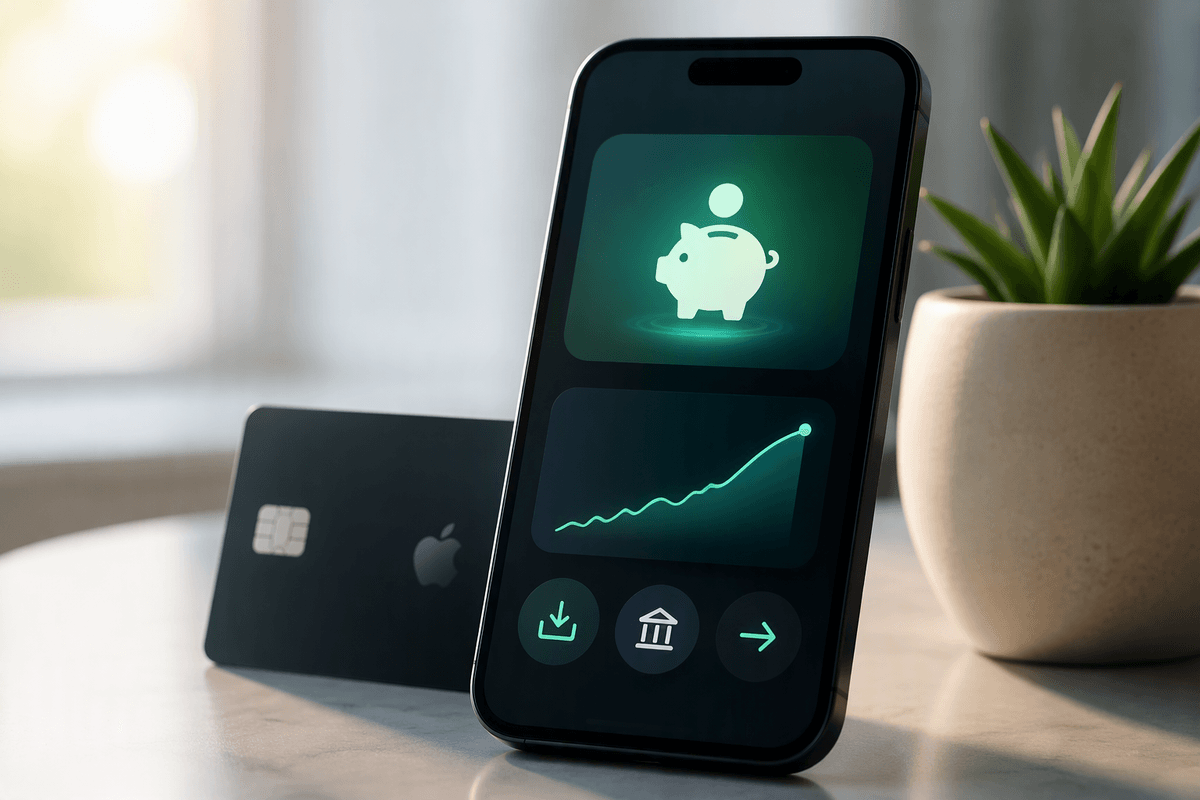


![Best Cash Alternatives [Get Yield on Short-Term Investments]](static/image/2026/08/03/87e885cb-e070-4bb6-902b-704f3bb1fb84.png)