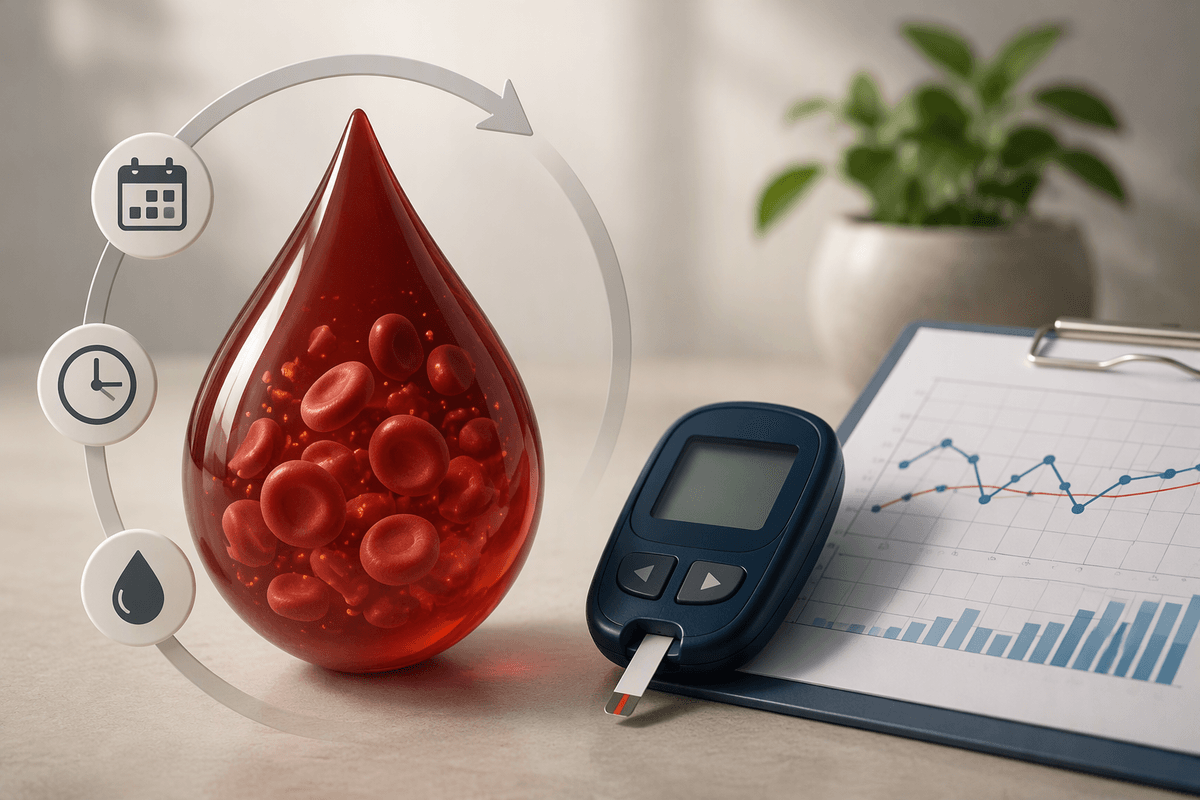
Why magnesium gets linked to blood sugar control
It often starts with a small pattern you can’t quite explain: fasting numbers that run a little higher after a few choppy nights of sleep, or a “same dinner, different morning” result that makes your tracker feel unreliable. When people go looking for a lever they can actually pull, magnesium comes up because it sits in the background of everyday glucose handling—helping cells respond to insulin signals and supporting enzymes that move glucose through basic energy pathways. The link sounds clean on paper, but real life rarely is.
Magnesium also gets attention because low intake is common, and low status tends to show up alongside the same things that nudge blood sugar around: stress, less consistent meals, higher ultra-processed foods, some digestive issues, and certain medications. That overlap creates a built-in uncertainty—magnesium may be part of the story, but it’s rarely the only variable. Even when levels improve, the changes people notice are usually subtle, and they can be hard to separate from sleep, activity, and carb timing.
What low magnesium often signals in metabolic health
Sometimes the first clue isn’t a dramatic symptom—it’s the way “healthy” days stack up on paper while your fasting glucose still refuses to settle. In metabolic research, lower magnesium status often travels with that same frustrating middle zone: not clearly “sick,” not clearly stable. It can signal a diet pattern that slowly drifted toward lower magnesium (fewer legumes, nuts, whole grains, leafy greens), but it can also reflect higher losses during prolonged stress, heavier sweating, or regular alcohol intake. And for some people, gut irritation or frequent diarrhea makes absorption less predictable than the label on a supplement bottle suggests.
Another easy-to-miss piece is that blood sugar itself can be part of why magnesium runs low. When glucose runs higher, the kidneys may spill more magnesium into urine, so “low” may be more of a marker of metabolic strain than a single root cause. That’s why studies often find associations, but your response to adding magnesium can still be modest—or inconsistent—depending on what else is driving the trend.
Observational studies show patterns, not guaranteed benefits

You’ll sometimes see this play out in a study summary that sounds almost too tidy: people who report higher magnesium intake, or who test with higher magnesium status, tend to have lower rates of insulin resistance, type 2 diabetes, or worsening A1c over time. For someone watching “borderline” numbers, that pattern can feel like a quiet promise—raise magnesium, lower glucose.
But observational research can’t tell you which direction the story runs. Higher magnesium intake often tags along with other glucose-friendly habits: more fiber, less ultra-processed food, steadier meals, and sometimes more activity and better sleep. Even with statistical adjustments, those factors don’t disappear cleanly. And magnesium status itself can shift because of metabolic strain, kidney losses, or digestion—so “low magnesium” may be partly an echo of what’s already happening. The takeaway is useful but limited: magnesium often shows up in healthier patterns, yet that doesn’t guarantee a noticeable change on your meter.
Clinical trials: modest shifts, inconsistent outcomes
The frustrating part is how easily a “good” week can hide in the noise. You add magnesium, tighten up dinners, and your fasting glucose still bounces—maybe down a couple points one morning, right back up the next. That’s close to what many clinical trials look like: when researchers give magnesium for weeks to a few months, average changes in fasting glucose, insulin, or insulin resistance markers often land in the modest range, and not every study finds a clear improvement. Some people move a little; others don’t move at all.
A big reason is that trial populations aren’t uniform. Some participants start with lower intake or lower magnesium status and seem more likely to show a shift; others already have “adequate” levels, so there’s less room to see an effect. Outcomes also depend on what’s being measured (fasting glucose versus A1c), how long the study runs, and whether GI side effects limit the dose people actually tolerate. So even when a trial is “positive,” it rarely reads like a dramatic before-and-after.
Who seems to respond more, and why

You might notice it as a slightly calmer “range” rather than a dramatic drop—fewer surprise high mornings after the same breakfast, or post-meal spikes that don’t linger as long. In studies, the people most likely to show that kind of shift are usually the ones who start closer to the edge: lower dietary intake, lower measured status, or lifestyle factors that quietly drain magnesium (regular alcohol, heavy sweating, prolonged stress). If your baseline is already adequate, there’s simply less room for a measurable change, even if the supplement is doing something in the background.
Response also seems tied to whether magnesium can actually be absorbed and kept. Ongoing loose stools, certain gut conditions, or a dose you can’t tolerate can cap the “real” intake long before the label dose. On the flip side, when blood sugar runs higher, urinary magnesium losses can increase, so replacing it may help some people stabilize slightly—but the same pattern can make results inconsistent if sleep, carbs, and activity are shifting at the same time.
When a reasonable supplement choice backfires
It can start innocently: you take magnesium at night expecting steadier mornings, and instead you wake up foggy, with a loose stomach and a fasting number that’s oddly higher. That’s not unusual when the form or dose doesn’t match your gut tolerance. Magnesium citrate and oxide, for example, can push water into the intestines for some people, and the resulting diarrhea can mean you absorb less than you think—plus you’re more likely to feel underfueled, dehydrated, or “off” the next day. In that state, your glucose trend can look worse even though the intention was helpful.
The other backfire is quieter: stacking magnesium on top of other supplements, antacids, or medications without realizing timing and interactions can matter. If it crowds out adherence—skipped doses, inconsistent meals, disrupted sleep—the data can turn noisy fast. When that happens, it may feel like magnesium “failed,” when the real issue is that the experiment became hard to run cleanly.
Making sense of evidence without overpromising
Sometimes the most confusing part is that nothing “big” happens. You take magnesium for a few weeks, and your fasting numbers still have their usual mood swings—then you catch yourself wondering whether you wasted time, or whether the effect was simply too small to spot day to day. That’s where the evidence lands for many people: magnesium looks more like a supportive factor than a switch.
If your intake or status was drifting low, correcting it may tighten variability a bit or nudge markers modestly, but it rarely overpowers late dinners, short sleep, stress spikes, or a new workout routine. The cleanest read is usually a trend view: how your numbers move alongside tolerance, consistency, and the rest of your routine—without expecting magnesium to “fix” borderline glucose on its own.






![Best Cash Alternatives [Get Yield on Short-Term Investments]](static/image/2026/08/03/87e885cb-e070-4bb6-902b-704f3bb1fb84.png)