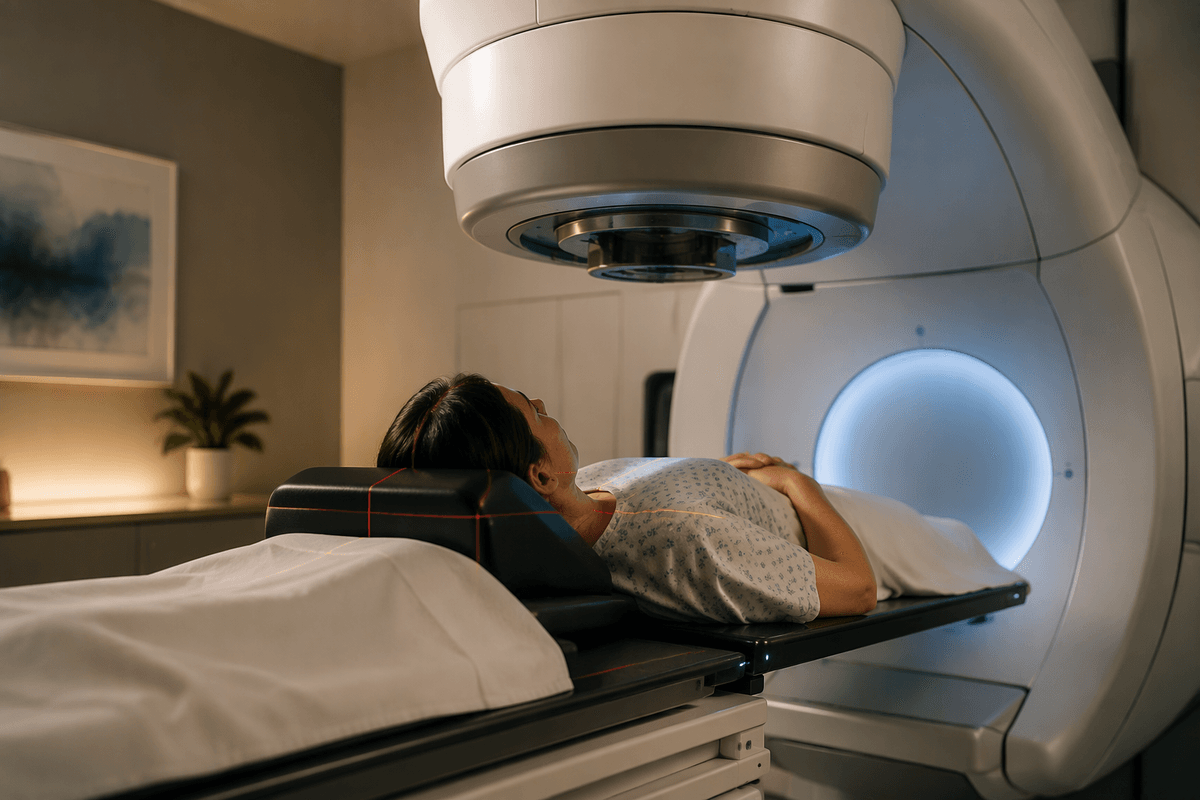
Why radiation is used, and what it can’t do
The first surprise for many people is how ordinary the decision sounds in the room: “We’ll do radiation,” as if it’s a single event. But radiation therapy is really a controlled series of small injuries aimed at a specific area, repeated often enough to make it hard for tumor cells to keep repairing themselves. That’s why it’s used after surgery to lower the chance of cancer returning in the same region, or before surgery to shrink what needs to be removed, or on its own when the goal is strong local control.
What it can’t do is reach everywhere in the body the way chemotherapy or other systemic treatments can. It’s not a whole-body “cleanup,” and it can’t erase uncertainty about microscopic cells that may be elsewhere. Even when the intent is curative, the effect is local: it treats what it can be aimed at, while nearby normal tissues still take some spillover. That gap—between a precise target and a human body that keeps living around it—is where a lot of the week-to-week confusion starts.
Simulation and planning feel simple, but matter most
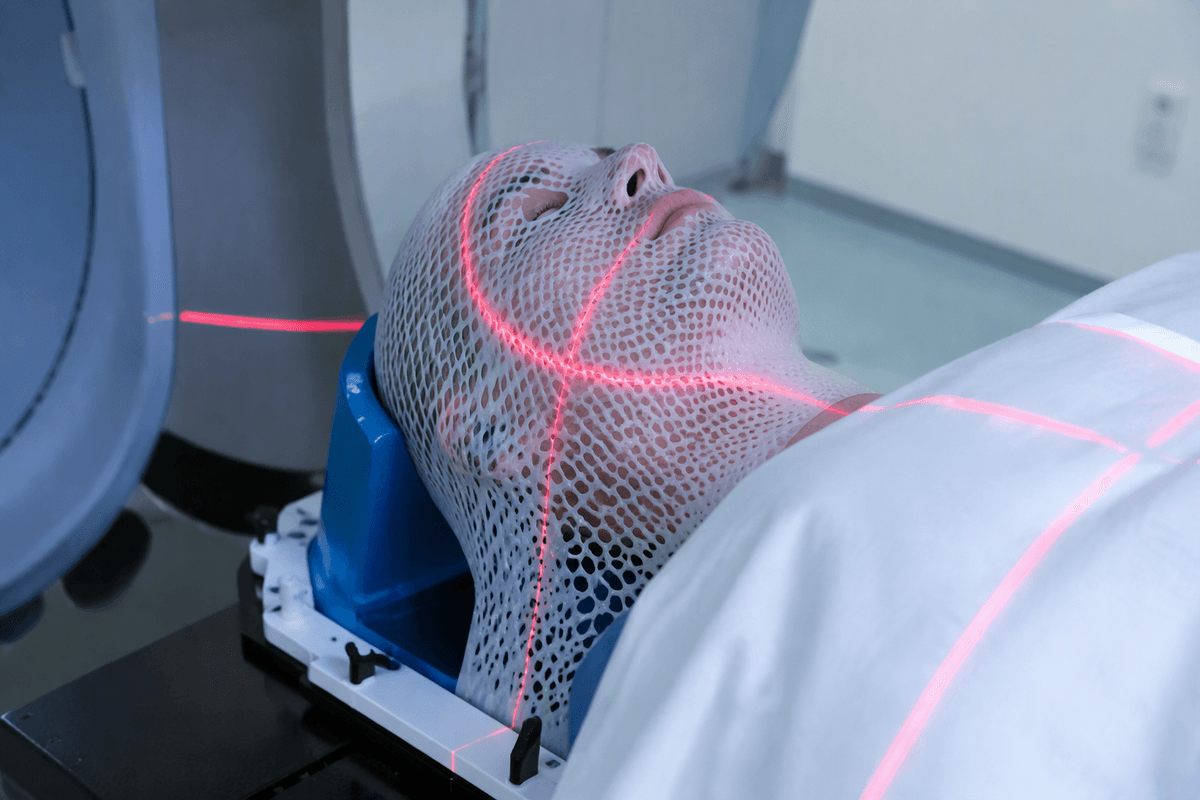
The simulation appointment can feel oddly low-stakes compared with everything that led up to it. You lie on a flat table, someone adjusts your shoulders or hips by a few centimeters, and the room stays calm while a scanner hums. It’s easy to walk out thinking, “So that was it?” even though this is the visit where your everyday body—how you naturally hold tension, where you tend to tilt, how your stomach sits after lunch—gets translated into a repeatable setup.
The markings, molds, or mask aren’t about pain; they’re about sameness. Radiation works because the same small area is treated again and again, so small shifts matter more than most people expect. A slightly different head angle, a fuller bladder, a new cough, or a sore shoulder can make you feel “off” even if nothing is wrong. Planning tries to protect nearby tissues while still covering the target, but it isn’t magic. It’s a best-fit map for a body that changes a little from day to day.
Daily sessions are quick; the routine is the challenge
The first treatment day can be disorienting because it’s so fast. You check in, change, lie down, and before your mind has caught up to the word “radiation,” the therapists are already stepping back into the room to tell you you’re done. The machine may move and make noise, but you usually won’t feel anything happening in the moment. That lack of sensation can create a strange doubt—like the session didn’t “count”—even though the dose is real, and it’s the repetition that matters.
What tends to wear people down isn’t the time on the table, but everything wrapped around it: arriving at the same time every weekday, keeping your body positioned the way it was planned, and trying to hold work and family life steady while your schedule narrows. A missed day can feel like failure, even when delays happen for practical reasons. And because each session is small, it’s easy to underestimate how cumulative exposure shows up later, not immediately after you leave the building.
Side effects often lag behind what patients expect
A few days in, you might notice a quiet mismatch: you’re showing up every weekday, but your body still feels mostly like itself. Some people even worry the treatment “isn’t doing anything” because there’s no immediate sensation after a session. That’s one of the most common misunderstandings with radiation—many effects don’t show up on day one, because the irritation builds with repetition. The small daily doses add up in the same nearby tissues, and the body’s response can be delayed until a threshold is reached.
For a lot of patients, the rhythm is uneven. Week one can feel deceptively normal, then sometime in week two or three fatigue, sleep changes, appetite shifts, or a new tenderness in the treated area starts to creep in. It may not arrive neatly after an appointment; it can show up later that evening, or on a weekend when you finally slow down. It’s not always obvious what’s “from radiation” versus what’s from stress, disrupted routines, or just getting through long days—until the pattern repeats.
Skin, mouth, and gut reactions follow local biology
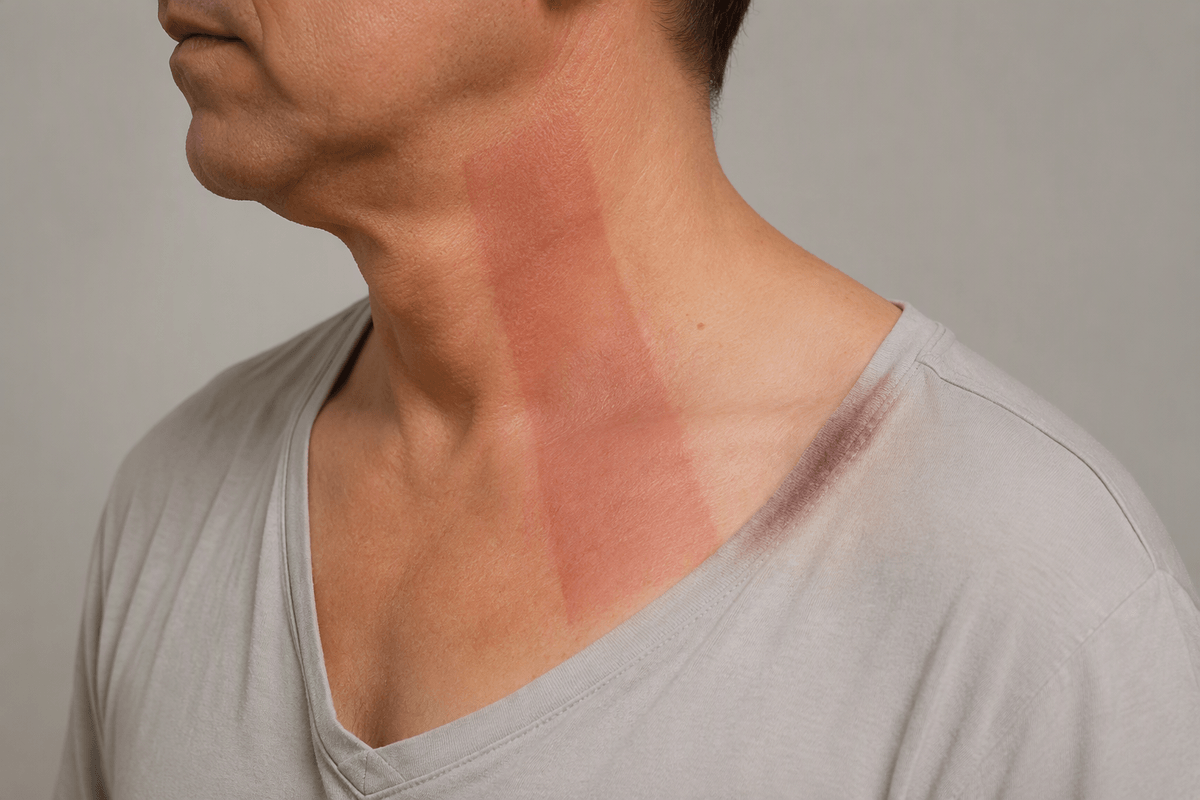
It can start as something you’d normally ignore: a faint warmth where clothing rubs, a tightness when you turn your head, a dry patch that doesn’t match the rest of your skin. Because radiation is so targeted, the reactions often follow the geography of the beam rather than a whole-body feeling. Skin in the path may slowly redden, darken, or feel sunburned, especially in folds or places that get friction. Your skin can look fine right after a session, then feel worse after a week of “nothing.”
The same local logic shows up inside. If the field includes parts of the mouth or throat, swallowing can feel scratchy or food may suddenly taste “wrong,” even if your appetite is still there. If the pelvis or abdomen is involved, your gut may become unpredictable—looser stools, cramping, or urgency that comes and goes—because the lining is sensitive to repeated irritation. None of this is perfectly consistent day to day, which is why people often doubt their own read on what’s happening.
When reasonable coping strategies create unexpected discomfort
One afternoon you do what seems sensible: switch to looser clothes, take a longer shower, eat “blander” food, maybe nap when you can. And then something feels worse anyway. Fabric that used to be comfortable suddenly grazes a tender strip of skin. A well-meaning change in soap or deodorant stings on contact. Even extra hydration can backfire in small ways—more bathroom trips, a fuller bladder than usual, a new sense that your setup on the table feels slightly different.
These coping moves can collide with how local tissue irritation builds. Rinsing your mouth more often may help dryness, but if it’s too frequent or too strong it can leave things raw. Eating lighter can reduce nausea, yet a too-small diet can make fatigue feel heavier by the end of the week. None of this means you “did it wrong.” It’s more that radiation reactions aren’t always linear, and your body may need a few days to show you which adjustments actually fit the pattern.
After the last session, recovery isn’t instantly clear
The day you finish can feel anticlimactic. You walk out of the department and expect your body to notice the ending, but it may still feel like you’re in the middle of it. In some cases the skin keeps getting redder for a week or two, the throat stays scratchy, or the gut remains unpredictable, because the local tissues are still working through the cumulative irritation. That delay can be unsettling: the calendar says “done,” while your body is still reacting.
Recovery often shows up as uneven change rather than a clear turn. One morning your energy feels closer to normal, then the next afternoon you hit a wall. Appetite and sleep can drift back slowly, but not in the order you expect. It’s also easy to misread every new ache as a late side effect, when some sensations are simply your routines returning—driving more, moving differently, eating differently. If the pattern keeps intensifying instead of gradually loosening, that’s usually when people decide it’s time to ask what’s still within the expected range.