Your cash is idle, but moving it feels risky
There’s a familiar moment when a cash balance starts to look like dead weight. It’s not that the money has no job—emergency funds and near-term savings are doing their job by sitting still—but the gap between “safe” and “smart” begins to feel wider every month. Moving it should be simple, yet it never is. A new bank means new logins, transfer delays, surprise limits, and the quiet fear that the one week you need the money is the week it’s stuck in transit. HSBC Premier adds another layer: the name feels stabilizing, but the decision isn’t just about chasing a rate.
The first risk isn’t market risk—it’s operational risk. If your cash is currently one click away from your bills, then shifting it to an online savings account changes timing: ACH holds, cutoffs, and the possibility of needing a wire for speed. That matters when the constraint is time, not return. So the real question at the start is whether the “idle cash” problem is bigger than the “access friction” problem for your specific cash bucket.
You expect a top rate with a big-name bank

Once the idea of moving cash is on the table, it’s easy to assume the cleanest answer is a household-name bank: if you’re going to add friction anyway, it should at least come with a top-tier yield and fewer headaches. HSBC Premier fits that mental shortcut. The brand signals scale, and “Premier” sounds like you’re buying access to better pricing, not just a different place to park money. For a meaningful balance, the expectation quietly becomes: competitive APY, strong customer support, and fewer “gotchas” than the rate-chasing online banks.
That expectation runs into a practical constraint fast: big banks rarely need to lead on rate to attract deposits, so “Premier” often reads more like a relationship tier than a savings-rate promise. If you’re evaluating HSBC Premier Online Savings, the temptation is to treat the headline APY as the whole story—especially if it’s close enough to the best offers that switching feels justified. But the minute the rate is merely “good” instead of “best,” the trade-off changes: you’re no longer being paid to tolerate the new transfer timing, the extra account setup, and the possibility that the value is really tied to maintaining Premier status.
Reality check: APY moves, but friction stays
After the “Premier should pay” expectation, the first reality check is that APY is the most movable part of the offer. It can change with little notice, and it’s rarely the thing that breaks your cash plan. The break usually comes from assuming a near-top rate will stay near-top long enough to matter. If the spread versus a high-rate online bank is only a few tenths, the dollars on a typical emergency-fund balance can be smaller than the cost of one operational mistake—like triggering a fee, missing a cutoff, or needing same-day access and realizing you’re waiting on an ACH window.
What doesn’t move as quickly is friction. You still have to link external accounts, wait through verification, and live with transfer timing that can feel fine for “savings” until it collides with a real bill. Limits and processing rules don’t announce themselves the way APY does; you find them when you’re rushed. In practice, the decision starts to look less like “Is the yield competitive?” and more like “Am I being paid enough to accept the same transfer constraints I was trying to avoid?”
Liquidity isn’t just transfers—it’s timing and limits
Liquidity starts looking different once you picture an actual need: a contractor deposit due today, a medical bill that can’t wait for “2–3 business days,” or a card payment you want to push before interest posts. An ACH link gets money moving, but the clock matters—initiation cutoffs, weekend gaps, and internal review holds can turn “available” into “not usable yet.” If your checking isn’t at the same institution, same-day access often means paying for a wire, or eating the delay and hoping the timing works out.
The other constraint is limits, and they tend to show up when balances are meaningful. Banks may cap outbound transfers per day, per transaction, or per month, and separate caps can apply to external ACH versus internal moves. Even when federal rules no longer force a hard monthly withdrawal limit, many institutions still enforce policy limits or throttle high-dollar activity. The practical test is simple: can you reliably extract a large amount inside 24 hours without a branch visit, a phone call, or a fee?
Premier requirements turn yield into a conditional deal
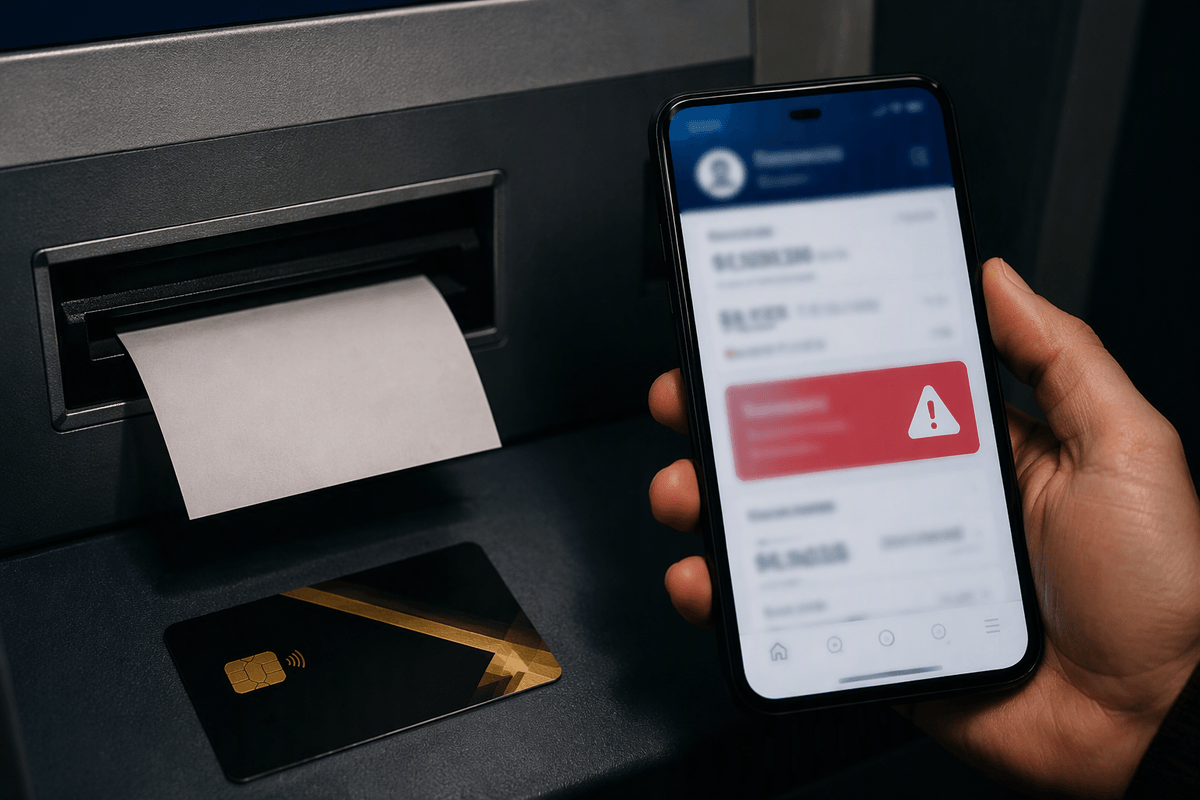
Once you start mapping “can I get the cash out fast?” onto “how do I keep the account priced well?”, HSBC Premier changes the feel of the decision. The savings APY might look acceptable on its own, but Premier is a relationship tier, and relationship tiers usually come with ongoing requirements—specific balances, direct deposits, or combined assets across accounts. The constraint is that those requirements aren’t a one-time hurdle; they sit in the background every month, waiting for an edge case like a large withdrawal, a big tax payment, or moving investments elsewhere.
That’s when the yield turns into a conditional deal. If meeting Premier status means keeping a larger buffer in low-yield checking, parking assets you’d rather place elsewhere, or avoiding a transfer that would drop you below a threshold, the “earning rate” on your whole cash setup can fall. And if the penalty for missing the tier is a monthly fee or a loss of perks you were counting on for liquidity, one timing mistake can erase months of interest—right when you were trying to make emergency cash simpler, not more managed.
Hidden effort: managing accounts to avoid surprises
Even if the APY looks “good enough,” the account starts asking for attention once you run it alongside real cash movement. A large withdrawal for taxes or a home repair can be the same action that drops average balances, breaks a combined-asset threshold, or forces you to shuffle money back quickly to protect Premier status. The constraint isn’t complicated math—it’s timing. A transfer that posts a day later than expected can be the difference between staying compliant and waking up to a fee or a tier change.
The hidden work is building a routine that prevents those edge cases: keeping a separate buffer so emergency withdrawals don’t touch the balances you’re using to qualify, checking statement-cycle dates (not just today’s balance), and watching for “silent” changes like new transfer limits or how external links are verified. That ongoing monitoring is manageable, but it’s real. If the rate advantage is thin, the account only feels worth it when the rest of your banking is already anchored at HSBC—so the “management overhead” doesn’t become the price you pay for yield.
Revised thinking: when it fits your cash strategy
By the time you’ve lived with the timing rules and the Premier math, the account stops being a “best place for cash” and becomes a specific tool. It fits cleanly when HSBC is already your operating hub—checking, bill pay, maybe a brokerage relationship—so moving money is mostly internal and you’re not constantly re-linking accounts or waiting on external ACH windows. In that setup, the savings yield is an add-on, not the reason the structure works.
If your priority is simply maximizing APY on an emergency fund with minimal monitoring, the higher-rate online bank still tends to win because the only thing you’re managing is transfers. HSBC Premier Online Savings makes more sense for the cash you want near your primary bank, where a slightly lower rate is an acceptable “convenience cost,” and the real risk—missing a requirement and paying for it—is already controlled by how you run the rest of your balances.










![Best Cash Alternatives [Get Yield on Short-Term Investments]](static/image/2026/08/03/87e885cb-e070-4bb6-902b-704f3bb1fb84.png)