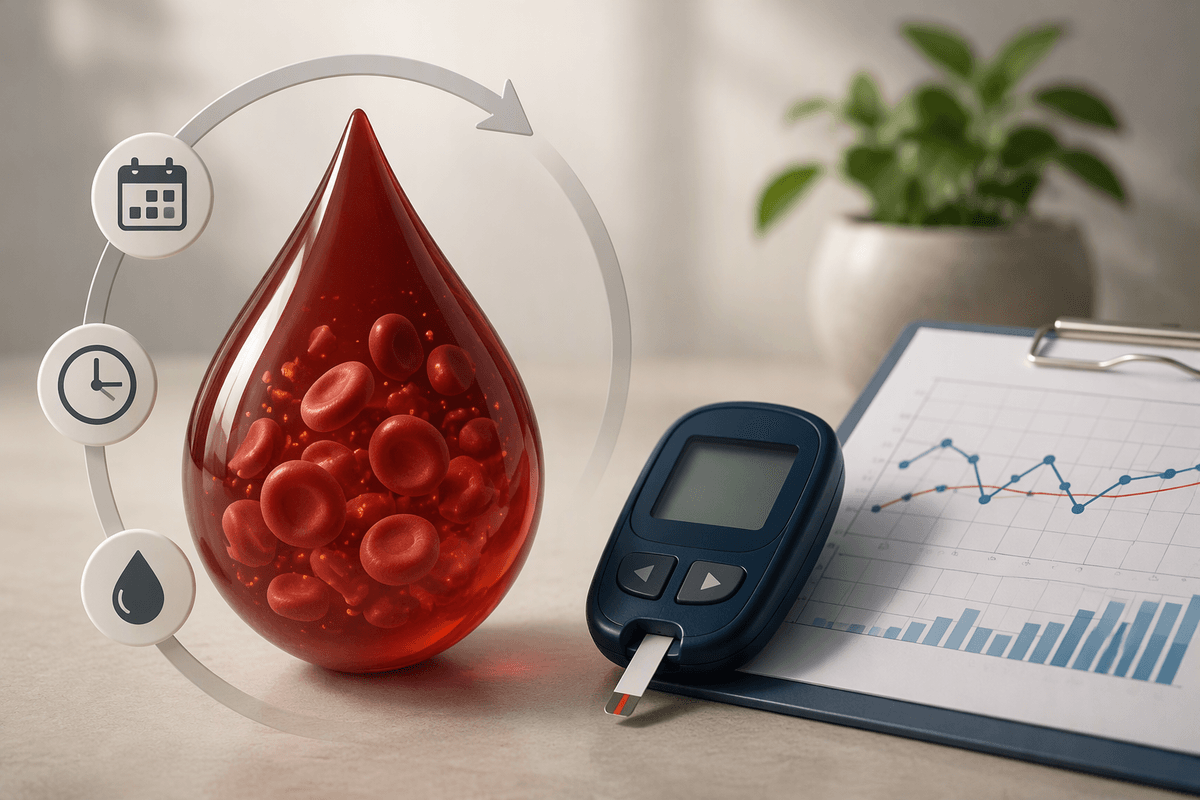
Aging isn’t one curve; it’s several shifting ones
The first hint often shows up in a normal week, not in a milestone birthday. You take the same stairs and notice your breathing gets loud sooner, or you sit through a long meeting and stand up feeling “older” for a few steps. It can be confusing because some things still feel easy—your brain is sharp, your workload is fine—while your body seems to have its own opinions about timing, stiffness, and energy.
That mismatch is part of the point: aging rarely moves as one smooth downhill line. Different curves shift at different speeds. Daily movement can quietly drop while work hours climb, and sitting fills the gaps you used to spend walking. Sleep slides later, stress stays a little higher, and food choices drift toward convenience. None of it feels dramatic, but the combination can add up to less muscle, less “bounce back,” and a narrower margin for late nights, skipped meals, or missed workouts. The changes are real, even when they’re inconsistent.
Strength and mobility stay foundational, but feel different
You notice it when you carry groceries with one hand and your grip gives up sooner than you expected, or when you kneel to plug something in and stand back up like your hips need a second vote. It’s not that you suddenly “can’t” do it. It just costs more—more warm-up, more attention, more patience with the first few stiff minutes. And because it’s subtle, it’s easy to misread as a motivation problem instead of a body-feedback problem.
Strength and mobility still do a lot of quiet work in the background: they’re what make a long day of sitting less punishing and a weekend hike feel like a choice, not a gamble. The progress can feel less linear. A heavy lift might leave a deeper soreness, and a skipped week can show up as tight calves or a cranky shoulder faster than it used to. Those small signals often reflect less daily movement and more time in one position—not a dramatic decline, just less buffer.
When recovery becomes the limiting factor, not ambition
It’s often the second-day soreness that changes first. You finish a workout feeling fine, even proud, and then two nights later you’re still stiff getting out of the car, wondering why your “easy” session left such a long shadow. You still want to train, hike, play, or just keep your routine. But the calendar starts to matter more than the workout itself, because your body doesn’t clear the fatigue on the same schedule every time.
Recovery can become the bottleneck because it’s influenced by everything that happens around exercise: shorter sleep, later meals, a couple drinks, long stretches of sitting, and the kind of stress that keeps your shoulders up even when you’re “resting.” In some weeks you bounce back quickly and assume nothing has changed; in others, the same effort feels louder and lingers longer. That inconsistency is a clue—not that you’re failing, but that your buffer is smaller than it used to be.
Eating patterns shift from performance to resilience
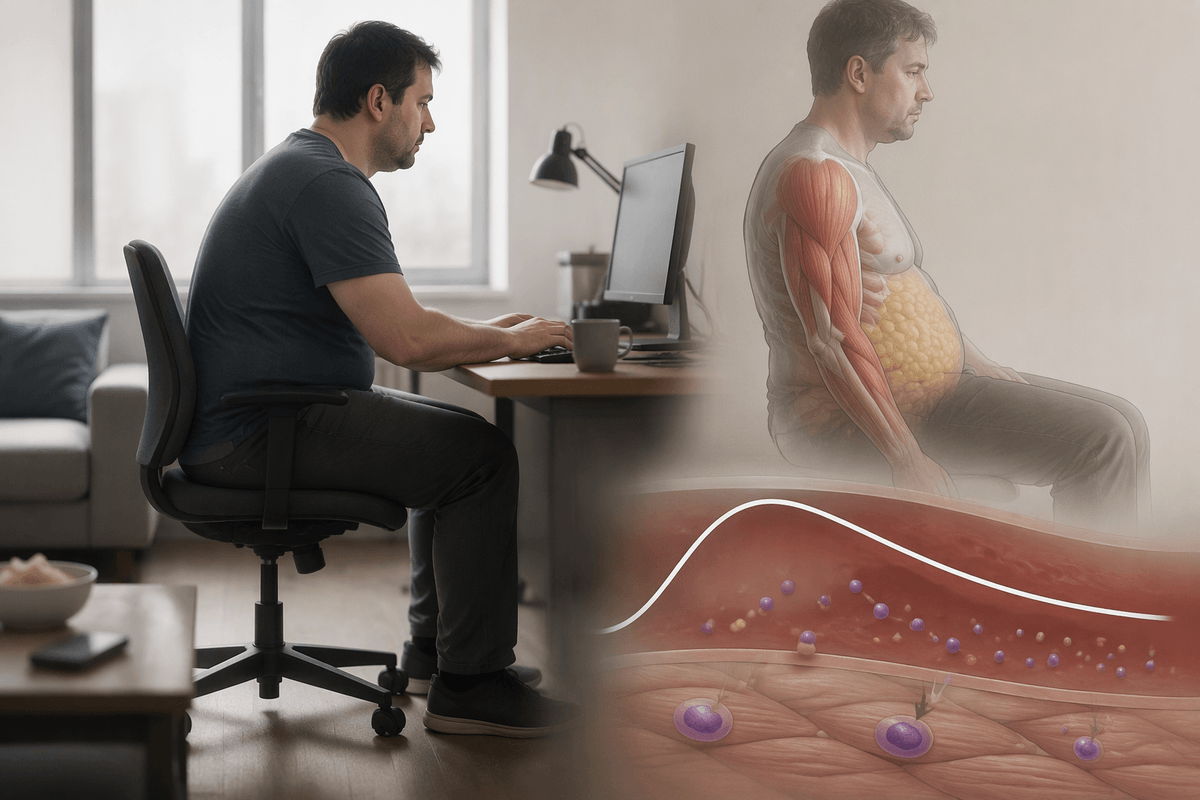
It shows up in the afternoon first: the lunch that used to feel “clean” for training suddenly leaves you foggy, or the grab-and-go snack that once got you through meetings now sets off a snack loop an hour later. A lot of people assume this means their metabolism is “broken,” but it’s often a narrower margin—less muscle to soak up extra energy, less sleep to smooth out blood-sugar swings, and more sitting that keeps the whole system a little less responsive.
Food starts mattering less as fuel for a single workout and more as insurance for the next day. Protein and fiber tend to feel less optional because they steady appetite and help recovery feel quieter, while alcohol and late, light-on-nutrients dinners can punch above their weight in how stiff or flat you feel. The “right” plan can still fail in a stressful week. Resilience eating is mostly about patterns you can repeat when life is normal—and when it isn’t.
Sleep and stress quietly decide what sticks long-term
Some nights it’s not even “bad sleep,” just a later bedtime that keeps creeping forward until your morning feels thinner. You wake up and nothing hurts exactly, but workouts feel heavier, coffee feels more necessary, and your appetite behaves like it’s trying to catch up all day. It can be hard to connect those dots because the week still looks productive on paper. The misunderstanding is thinking sleep is separate from training and food—when it often decides whether those choices actually land.
Stress works the same way: it doesn’t always look dramatic, but it changes your baseline. In a high-pressure stretch, you may move less without noticing, reach for quicker meals, and feel sore for longer from the same effort. Even “healthy” habits can start to wobble because your body is spending more time in alert mode. Over months, that’s what quietly shrinks your buffer—less room for late nights, extra drinks, or skipped recovery—until small slips feel unusually expensive.
Social ties and purpose act like protective infrastructure

You feel it on the weeks when nobody cancels. There’s a walk after work, a standing coffee date, a class you don’t want to miss because your name is on the list. The same body that drags when you’re on your own somehow finds a steadier rhythm when other people are part of the routine. It isn’t magical motivation; it’s friction in the right direction, and it can make the “default” day less sedentary without you having to negotiate with yourself so much.
Purpose works similarly, but quieter. When something matters outside your inbox—kids, volunteering, a team, a hobby with other humans—sleep and meals often become slightly more regular because you’re anchoring your week around something real. The social life can also backfire: later dinners, more drinks, less downtime. Still, connection tends to buffer stress, and lower stress is one of the few things that makes recovery feel less unpredictable.
Prevention and tracking help, until they create anxiety
It starts innocently: a step count you check between meetings, a smartwatch sleep score you glance at before coffee, a resting heart rate that seems to “mean something” after a stressful week. Those numbers can be clarifying—especially when they confirm what you already felt in your body. You notice that the days you move more, eat a little earlier, and go to bed without scrolling tend to make soreness quieter. But the same tools can also turn normal variation into a problem to solve.
Tracking can slip into a low-grade audit. A single bad night looks like a warning, a missed workout feels like lost ground, and you start chasing perfect readings instead of a livable pattern. The bodies aren’t consistent: travel, hormones, work stress, and even a salty dinner can nudge metrics around. If the data mostly helps you make calmer choices, it’s useful. If it makes you tense and vigilant, it may be costing the resilience you’re trying to protect.