TrekCommerce

Travel

One-Bag Packing for Wet Climates

Rain changes what you carry far more than cold does. Three decisions cover most of it.

Gabrielle Bennett

Cold is easy to dress for. Wet is not, because water reaches your skin through cuffs, collars and the base of a bag. Three decisions cover most of a wet-climate trip: how many dry layers you carry, whether the outer shell is truly waterproof or merely resistant, and where wet items go once you are indoors. Get those right and one bag is enough.

Dry layers beat clever fabric

Pack two complete dry sets rather than one clever set that dries fast. Drying rarely happens overnight in humid weather, and a single set means wearing damp clothes the next morning. Two light sets weigh less than one heavy one and remove the daily gamble entirely, which matters more than any fabric specification.

Treat the shell as equipment rather than clothing. Check taped seams, a hood that adjusts, and cuffs that close tightly. A cheap shell that wets through in twenty minutes is heavier to carry than it looks, because everything under it becomes wet too. One good shell replaces two mediocre ones and a spare jumper.

A waterproof cover and a dry bag differ in purpose

Compare a pack cover against an internal dry bag. The cover protects the outside and fails in wind or when you set the bag down in a puddle; the internal bag keeps contents dry even if the pack soaks through. For a wet week, the internal liner is the better first purchase, with the cover as a second layer.

Practical move: pack one sealable bag for wet clothing and one for electronics. Wet gear goes straight into its own bag on returning indoors, so it stops sharing moisture with everything else. This one habit keeps the rest of a bag dry for a whole trip and costs almost nothing in space.

Waterproof everything and you carry dead weight
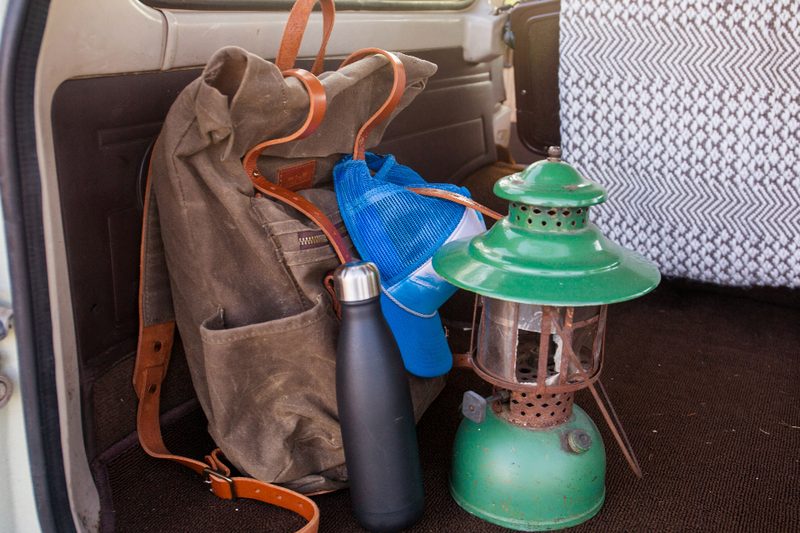
Boots and a folded jacket beside a small travel bag

Full waterproofing adds weight and often reduces breathability, which leaves you wet from the inside. In warm rain, a light windproof layer and quick-drying clothing work better than a heavy membrane. Match the kit to the temperature as well as the rainfall, and check whether the climate is wet-and-cold or wet-and-warm.

Keep reading

Related Reads

Long Layovers: When to Leave the Airport

Travel

Long Layovers: When to Leave the Airport

A nine-hour stop can be a bonus day or an expensive mistake. Four hours of usable time is the threshold.

Coastal Portugal by Bus Beats Driving

Travel

Coastal Portugal by Bus Beats Driving

Parking, tolls and one-way streets turn a scenic drive into a chore. The intercity coach does most of it better.

Picking a Safari Base: Water, Distance, Dawn

Travel

Picking a Safari Base: Water, Distance, Dawn

The camp you choose decides your game drives more than the park's reputation does. Three variables do the work.

Taipei in 72 Hours

Travel

Taipei in 72 Hours

Three days is enough if you treat the city as two halves: a flat, dense basin and the volcanic hills behind it.

Iceland's South Coast: Renting vs. Guided Days

Travel

Iceland's South Coast: Renting vs. Guided Days

Self-driving costs less per day and more per mistake. Where the line falls depends on your winter dates.

Nepal Foothills Without a Fixed Schedule

Travel

Nepal Foothills Without a Fixed Schedule

Permits are fixed, lodges are not. Leave two flex days and a trekking route stops being an endurance test.

Cheap Flights, Costly Airports, Real Cost

Travel

Cheap Flights, Costly Airports, Real Cost

The ticket price and the door-to-door cost can differ by more than the flight itself. Four lines decide which.

Overnight Ferries: Book Early

Travel

Overnight Ferries: Book Early

An overnight crossing replaces a hotel night. The cheap berths go first, and the deck seats are not a plan B.

Desert Travel: Water, Shade and Timing

Travel

Desert Travel: Water, Shade and Timing

Nothing in a desert is difficult except the schedule. Move the day around the heat and the rest becomes straightforward.

Small Museums in Big Cities: Half-Day Plans

Travel

Small Museums in Big Cities: Half-Day Plans

Two hours in a specialist collection beats four in a crowded flagship. The trick is choosing on subject, not status.

Mountain Huts: Which Beds Fill First

Travel

Mountain Huts: Which Beds Fill First

Hut capacity is fixed and demand is not. A few weeks of planning turns a lottery into a reservation.

A 3-Day Cash Snapshot Beats Annual Budgets

Business

A 3-Day Cash Snapshot Beats Annual Budgets

Pull three days of bank activity before you rebuild a twelve-month plan nobody reads, and watch one or two lumpy outflows explain most of the damage.