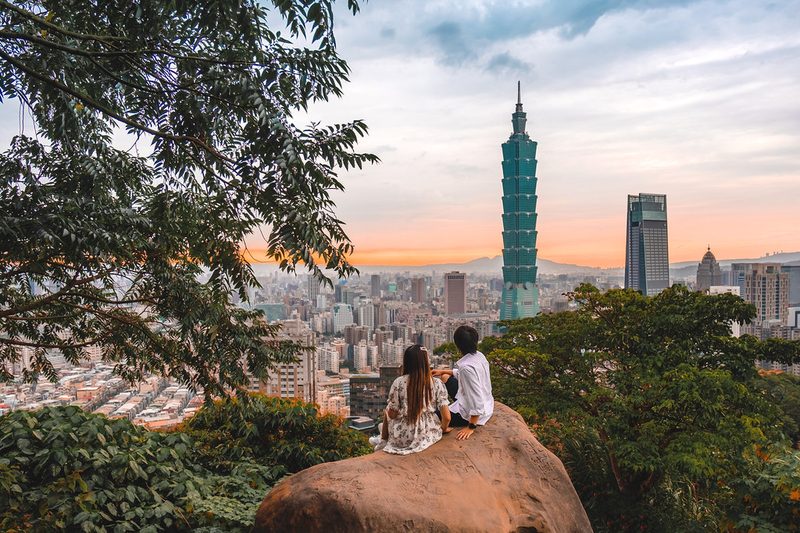
Seventy-two hours in Taipei works if you split the trip in two: the flat basin, which the metro covers quickly, and the hills an hour north, which need a bus and a morning. Trying to see both on the same day is what turns a pleasant city into a schedule. One evening market, one hill day, one river neighbourhood.
The metro rewards a stored-value card
Buy a stored-value transit card at the airport and use it for the metro, local buses and most convenience stores. Fares are low and the network reaches nearly everything in the basin. Adding value takes seconds, and the card removes the daily search for change, which in a rainy city is worth more than the small discount it carries.
Advertisement
Plan markets for the evening rather than sightseeing, because most open in the late afternoon and run past midnight. Go hungry and eat two or three small things rather than one large meal. Weeknights are noticeably calmer than weekends, and the same stall with a shorter queue usually tastes the same.
A hill day and a spa day suit different moods
Compare the volcanic hill district against the hot spring area nearby. The hills offer walking trails, fumaroles and a cooler temperature that is welcome in summer; the springs offer soaking and a slower afternoon. Both are reachable by the same bus line, so pairing them on one day is possible but tiring, especially in wet weather.
Practical move: keep one afternoon unplanned for the day it rains. Taipei's rainfall is seasonal and heavy, and a museum, a covered market and a long lunch absorb a wet afternoon well. Squeezing an outdoor plan into bad weather wastes both the plan and the day.
Advertisement
Typhoon season changes the shape of a trip
Between roughly July and September, storms can close trails, cable cars and some coastal roads with little warning. Build in a spare day and check conditions the evening before rather than the morning of. If a hill day is cancelled, the basin still holds two full days of markets and neighbourhoods without difficulty.
Advertisement