Desert travel is mostly a scheduling problem. Between roughly eleven and four the heat makes walking unpleasant and driving tiring, so the usable day runs in two shifts: early morning and late afternoon. Plan the ambitious part of each day for one of those windows and treat the middle hours as travel, rest or shade, rather than as time you failed to use.
Carry more water than the plan needs
Assume a litre per person per hour of walking in heat, and carry double what the route suggests. Water in a vehicle is not the same as water on your back, so split the supply: a large reserve in the car and a carried amount for the walk. Refill every chance you get, even when the level still looks comfortable.
Advertisement
Store water in the shade and keep a spare container untouched as a reserve. A hot bottle in direct sun is unpleasant to drink and encourages people to drink less than they should. Small sips at regular intervals work better than large amounts at long gaps, and the habit is easier to keep when the water tastes reasonable.
A guided day and a self-organised day cost differently
Compare a guided desert excursion against driving yourself. The guided version supplies a vehicle suited to sand, a driver who knows the tracks and a recovery plan if something fails. Self-organising is cheaper and depends entirely on your vehicle and local road conditions. In remote areas the guided option is a safety purchase rather than a comfort one.
Actionable step: before leaving, note the distance to the nearest settlement with fuel, the last point with mobile coverage, and the expected traffic on your route. Tell someone the route and the arrival time. Three lines of preparation remove most of the risk, and none of them cost anything.
Advertisement
The nights are the part people underestimate
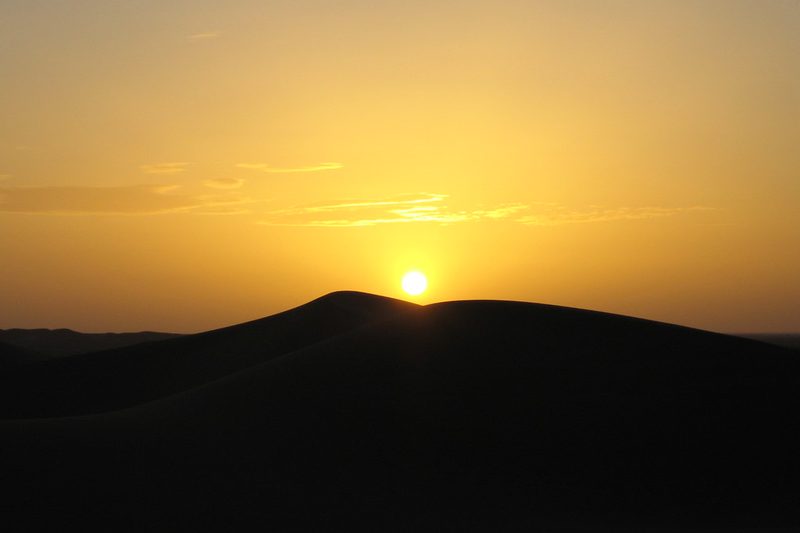
Desert nights can be surprisingly cold, and a camp that was comfortable at sunset is uncomfortable by two in the morning. Pack a warm layer even when daytime temperatures are high, and check whether your accommodation has heating. Travellers who pack only for heat often spend the second half of the night awake.
Advertisement